
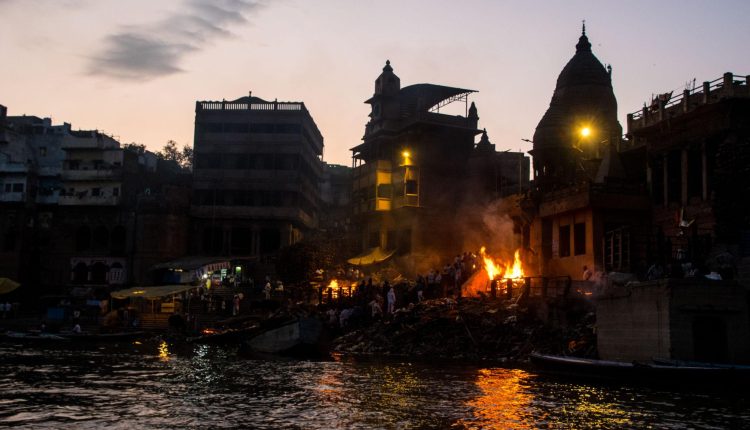
What happens when ancient death rituals meet the smartphone? The final journey was once witnessed, absorbed, not recorded. Post-COVID, a lot has changed. Today, smartphones actively capture moments in the homes of bereaved families, at the cremation ground, recording final rites, sharing them with relatives who cannot attend, and sometimes putting private grief online. Recently, unfortunately, content from a private affair that requires sacred silence ended up on social media.
Does that change anything for the departed soul?
The Bhagavad Gita describes the Atman as eternal and untouched by the body’s destruction. “Na jāyate mriyate vā kadācin.” In Hindu culture, deathis understood not as the end of the soul, but a transition of the embodied being.
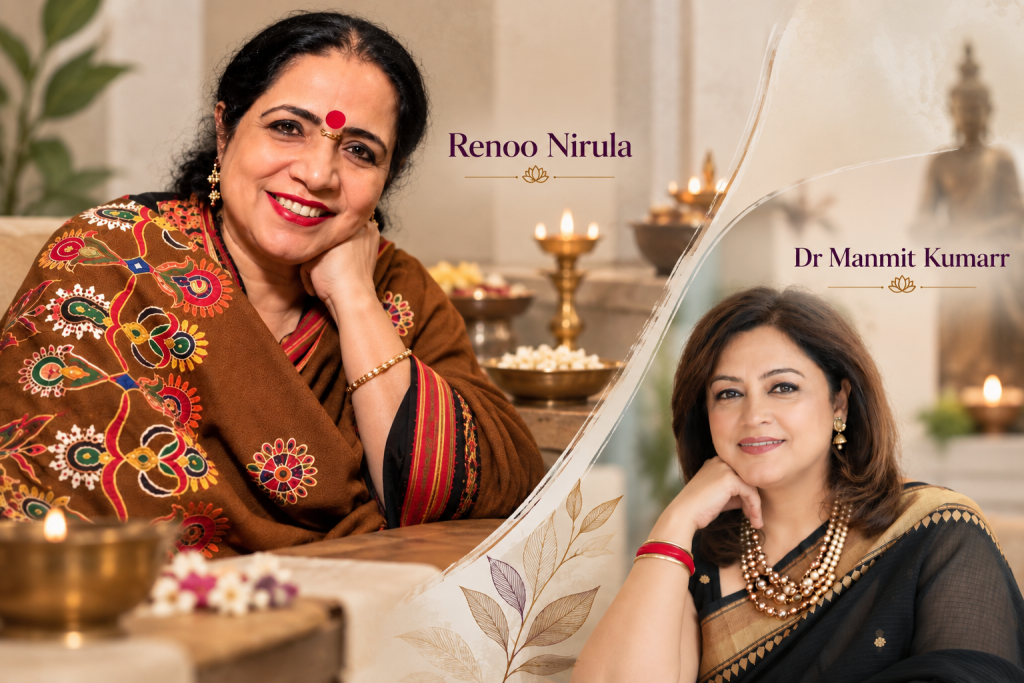
“The Garuda Purana, one of the important Hindu texts dealing with death and post-death rites, focuses on the duties of the living, funeral rituals, offerings, remembrance, prayers and the journey of the departed,” says Renoo Nirula, spiritual mentor and clairvoyant healer.
“Though death is the only truth of life that every living person must face, the human mindset still finds the subject deeply disturbing. Being engrossed in their phones may distract people from the truth. Apart from technology being a tool to include near and dear ones in an individual’s final journey, I have experienced that people are delusional about death. They are scared even to talk about it. The body is an inn for the soul, and ignorance is the jailer,” says Renoo ji. The period following death is considered sacred and calls for prayer, remembrance and appropriate rituals.
The close intent
A private video call allowing a daughter living abroad to witness her parent’s final rites is very different from recording a cremation and putting it online for public consumption. The distinction is particularly relevant today.
The COVID-19 pandemic accelerated the use of technology in mourning. Families separated by lockdowns began attending funerals virtually, and online condolence meetings and digital memorials became increasingly common.
What began as a necessity has, in some cases, become part of contemporary mourning.
There is also a psychological dimension. “Grief needs space. A funeral is not merely an event to be documented; it is an intensely personal moment of acceptance and letting go. Constantly photographing, filming, checking phones or thinking about what will be shared can potentially take attention away from the ritual itself,” says Dr Manmit Kumarr, spiritual Guru and founder of The Kali Code.
For families separated by geography, technology can bring people together when physical presence is impossible. For others, a camera may simply become an unnecessary intrusion into a deeply private goodbye. The rituals are ultimately for the departed’s journey and for the healing and duties of those left behind.
That’s another matter: smartphones are also being used to record suicides and more, and many have slipped and gone into the arms of death while taking selfies.
A final goodbye does not need an audience. It needs presence, both during life and after the soul has passed over.
Discover more from Suburb Life
Subscribe to get the latest posts sent to your email.