We teach girls about their first period. We talk about pregnancy and childbirth as major life events, preparing women for what their bodies will experience and how to navigate them. But when the periods stop, the conversation seems to stop too. Dr Sofia Maheshwari walks us through the stages of menopause in her three-part series for SUBURB.
Menopause, a transition that can occupy almost half a woman’s life, is rarely discussed with the same openness or preparation.
I often wonder why.
Even as a menopause specialist today, I have come to realise how little women are told about this phase. We hear about hot flashes. But what about the woman who suddenly feels her body, emotions and even her sense of self changing and has no idea why?
I know this because I lived it. I struggled with irritability, mood swings and anxiety. I battled sleeplessness, developed adult acne, experienced hair loss, and suddenly noticed my body changing around the midriff. Individually, these symptoms belonged to completely different conversations. Together, they were telling me something.
My gynaecologist understandably viewed these concerns through a medical lens, but there wasn’t one obvious box for everything I was experiencing. I was prescribed the pill and anti-anxiety medication. Neither worked well for me; instead, I felt they wreaked havoc with both my body and my mental state.
I needed to understand what was happening to me, not just treat one symptom at a time. That journey eventually led me to become a menopause specialist and changed the way I look at this transition.
Because menopause isn’t just about hormones. It can arrive when a woman’s entire life is shifting. Children are growing up, parents are ageing, careers are changing, relationships are evolving and suddenly a new question emerges: What about me?This is where I believe handholding can make a real difference. Over time, five simple nuggets have become central to how I guide women:
1. Don’t dismiss the changes.
If your sleep, mood, weight, skin, hair, energy or periods suddenly change, don’t automatically blame ageing or stress. Notice the patterns and ask the right questions.
2. Stop treating every symptom in isolation.
Your body doesn’t work in compartments. Sometimes the answer lies in connecting the dots rather than chasing one symptom at a time.
3. Start building strength.
Muscle and bone health become increasingly important through this transition. Strength training, adequate protein and regular movement are investments in the woman you want to be ten years from now.
4. Protect your sleep and emotional wellbeing.
Sleep, anxiety, irritability and emotional overwhelm deserve attention, not dismissal. Caring for your nervous system is part of caring for your health.
5. Don’t navigate menopause alone.
Your gynaecologist remains essential for medical assessment, investigations and treatment. A menopause specialist can sit alongside that care, helping connect nutrition, movement, strength, sleep, emotional wellbeing and everyday life into practical, sustainable changes.
As a holistic menopause specialist, I help women understand the bigger picture. Don’t dismiss everything as “just ageing.” Listen to your body. Build strength. Nourish yourself differently. Protect your sleep. And you don’t have to figure it all out alone.
Because menopause is not the end of who you were. Perhaps it is an invitation to understand yourself differently, build the next version of yourself, and enter the next chapter stronger, more informed and more connected to yourself.
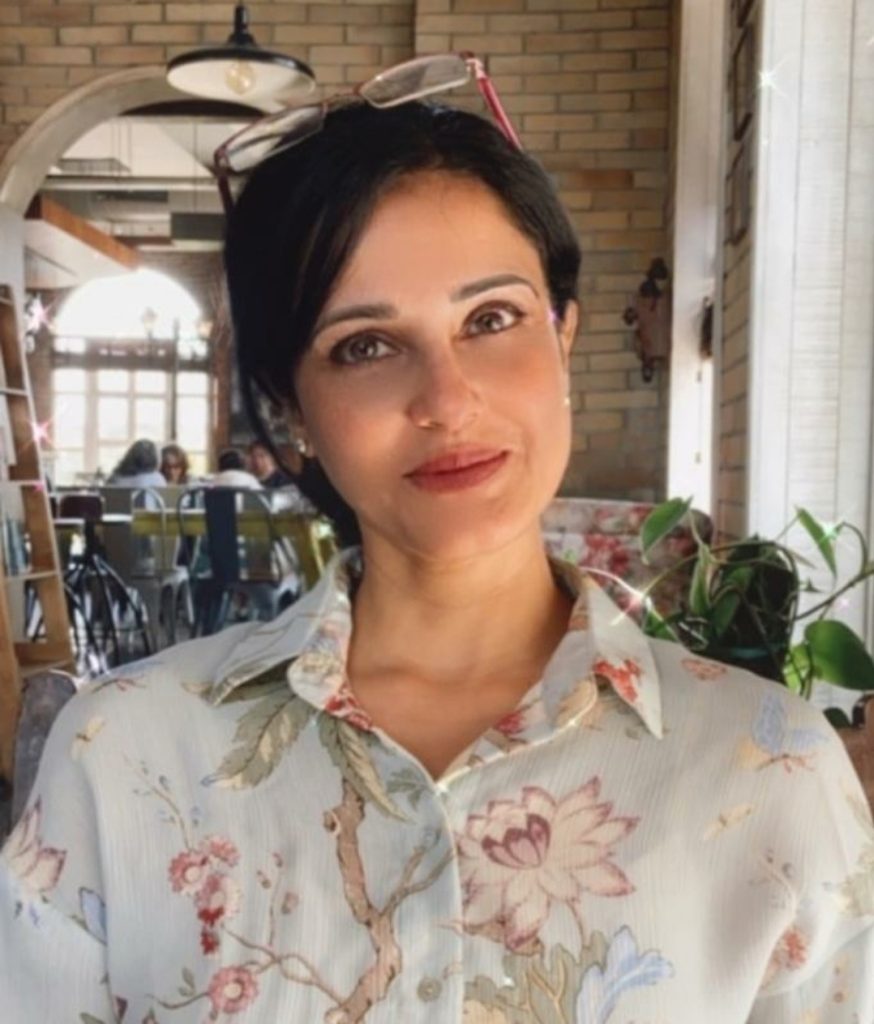
About the author: Dr Sofia S. Maheshwari is a Holistic Menopause & PCOS Specialist and Wellness Coach, empowering women and girls to navigate hormonal health through nutrition, fitness, emotional wellbeing and lifestyle.
Discover more from Suburb Life
Subscribe to get the latest posts sent to your email.