
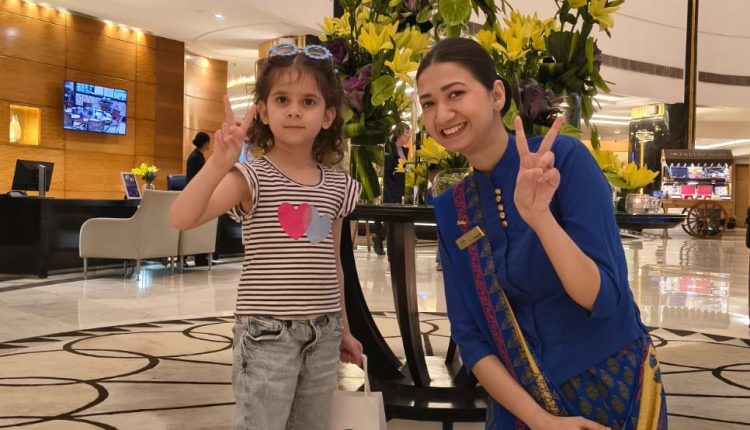
“No algorithm can replicate the warmth of anticipating a guest’s need before it is spoken, or the quiet reassurance of a well-timed gesture at the right moment,” says Sanjay Bose, Executive Vice President and Head of HR at ITC Hotels Ltd. “My framing for this has always been ‘high tech with high touch.” The two are not in opposition. Technology, when well deployed, amplifies the human experience rather than replacing it.
There was a time when hospitality was measured by tangible markers: a comfortable room, an elaborate breakfast, a perfectly made bed, and cleanliness. Today, this is merely the starting point. In a world where technology can book rooms, recommend restaurants, remember guest preferences, and even answer queries before a guest reaches the reception desk, the hospitality industry is confronting an important question:
What remains uniquely human?
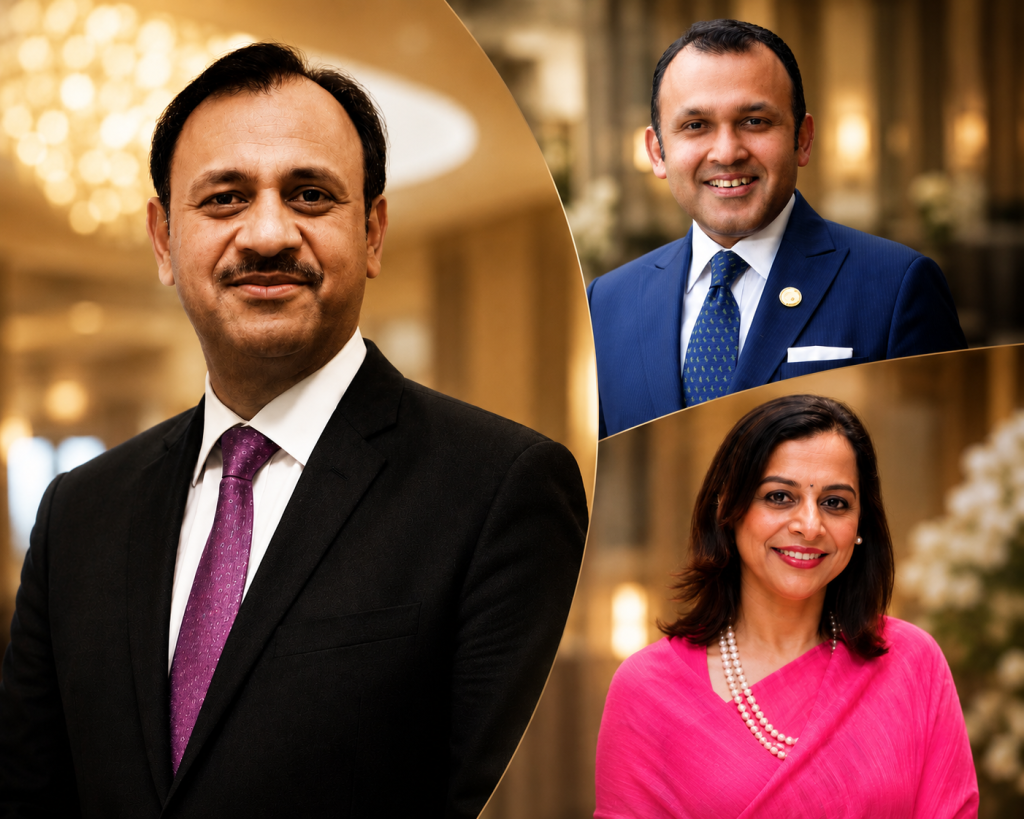
“At our hotels, this is where Tajness becomes so meaningful. It is not just a service philosophy, but an emotional language of grace, care and intuitive hospitality that allows our teams to turn everyday interactions into something memorable and deeply personal. Our associates are no longer simply delivering a service; they are shaping the emotional texture of a guest’s experience. Every interaction, whether at the concierge desk, in a restaurant, at reception, or during a special celebration, has the potential to become part of a larger story and an unforgettable memory that a guest carries back with them. That makes our people memory-makers, and, in many ways, the most authentic storytellers of the brand,” says Ananya Shuman Mukherjee, Director PR and MarCom, Taj Palace and IHCL Brand champion.
“At ITC Hotels, we strive to cultivate a mindset in which every interaction, no matter how brief, is seen as an opportunity to contribute to something larger. This is also why diversity matters so deeply to us. The more diverse our workforce is in terms of backgrounds, perspectives, and lived experiences, the better equipped we are to serve a guest base that is equally diverse,” Sanjay Bose responds passionately.
“Flawless service is non-negotiable. It’s no longer the differentiator. So, roles are shifting from reactive to anticipatory, from standardised to personalised. We’re empowering teams to think like hosts, not just operators.” Ashwni Kumar Goela, Area GM, Radisson Hotel Group and VP Operations, Radisson Blu Plaza Delhi Airport. Perhaps the most significant shift taking place within hospitality is not technological but cultural.
Employee, an experience curator.
The difference is subtle yet powerful. Whether it is a concierge arranging a surprise anniversary experience, a chef introducing guests to regional culinary traditions, or a front-office associate remembering a returning guest’s preferences, hospitality professionals are increasingly becoming storytellers rather than task executors.
“The most powerful brand narratives today are no longer built only through campaigns or messaging. They are built through lived experience. Guests respond to authenticity, warmth and personal connection, and these come alive through people, says Ananya.
After travelling across global timelines, I firmly believe that Indian hospitality brands have been at the forefront of providing not just a stay for their guests but also memories to cherish. At renowned star hotels abroad, I have had ‘bad’ experiences. Hailing from a culture and philosophy of ‘Atithi Devo Bhavah’, an Indian traveller seeks human interaction, not a cold response with twisted lips and rolled eyes. I can be a difficult guest who refuses to be just ‘Key Number.” I believe this is far more a matter of cultural difference than a personal attitude.
Post-COVID-era hospitality has shifted gears, creating a winning space for standalone properties with a history to share and a lasting story to tell, offering a local, authentic takeaway. Importantly, a place that can read the ‘vibe’ of the guest, not far away from the sentiment of ‘Mera wala Pink.”!
Building Communities, Not Just Customer Bases
Perhaps the boldest move by hospitality brands has been creating communities around their properties. Many hotels are now home to Literature festivals, Music galas, Wine appreciation sessions, Wellness communities, Entrepreneur networking events, culinary pop-ups, and local cultural showcases, establishing the luxury of engagement and guest loyalty. The future of hospitality may be digital, but its soul remains unmistakably human.
Discover more from Suburb Life
Subscribe to get the latest posts sent to your email.