
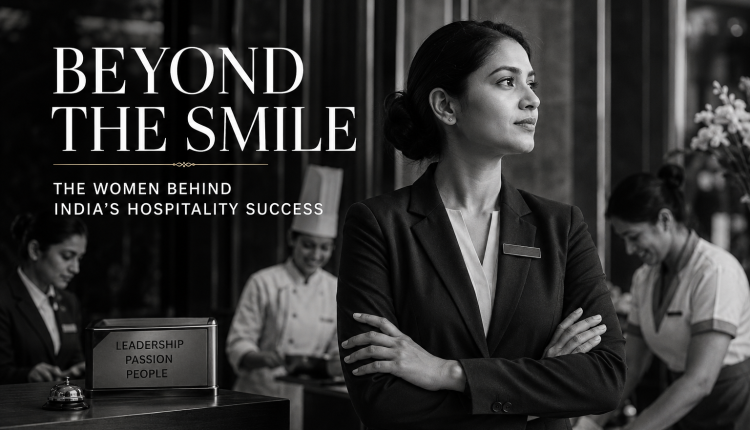
In hospitality, every warm greeting, effortless check-in, flawless event, and memorable stay is carefully orchestrated. Guests remember the experience; they rarely see the invisible effort behind it. And for many women in India’s hospitality industry, that invisible effort extends far beyond the hotel lobby.
Hospitality has always been a people-first business. In India, where warmth and personalised service are woven into the cultural fabric, expectations are exceptionally high. Whether it’s a luxury hotel, a boutique resort, a café or a neighbourhood restaurant, guests expect not just efficiency but genuine human connection. Delivering that consistently demands emotional intelligence, resilience, strategic thinking and an unwavering commitment to excellence.
For women, the journey often begins with an entirely different set of expectations. Marriage, motherhood, childcare, ageing parents and the absence of reliable support systems continue to shape career choices in ways that many male professionals never experience. Long hours, late-night shifts and unpredictable schedules make hospitality one of the toughest industries to sustain a long-term career in.
Yet those who stay often do so because hospitality becomes more than a profession; it becomes a calling. Industry insiders often say that if a woman survives her first five years in hospitality, she is there for life.
The question, however, remains relevant: is there still a glass ceiling?
The answer today is becoming increasingly nuanced. Leadership is no longer defined solely by hierarchy or designation. Women are steadily reshaping hospitality through empathy, consistency and strategic leadership, proving that authority can coexist with compassion.
“Over the years, I have learnt that leadership is not about titles but about showing up consistently with resilience, empathy and a smile even during the most challenging times,” says Simmi Sood, Director PR & Marketing, Radisson Blu Plaza Delhi Airport. “Work-life balance is an ongoing process rather than a destination. There are demanding days, but with the right priorities and a strong support system, it is possible to grow both personally and professionally.”
Her words resonate with many women who continue to balance demanding careers without allowing either ambition or family to define them exclusively.
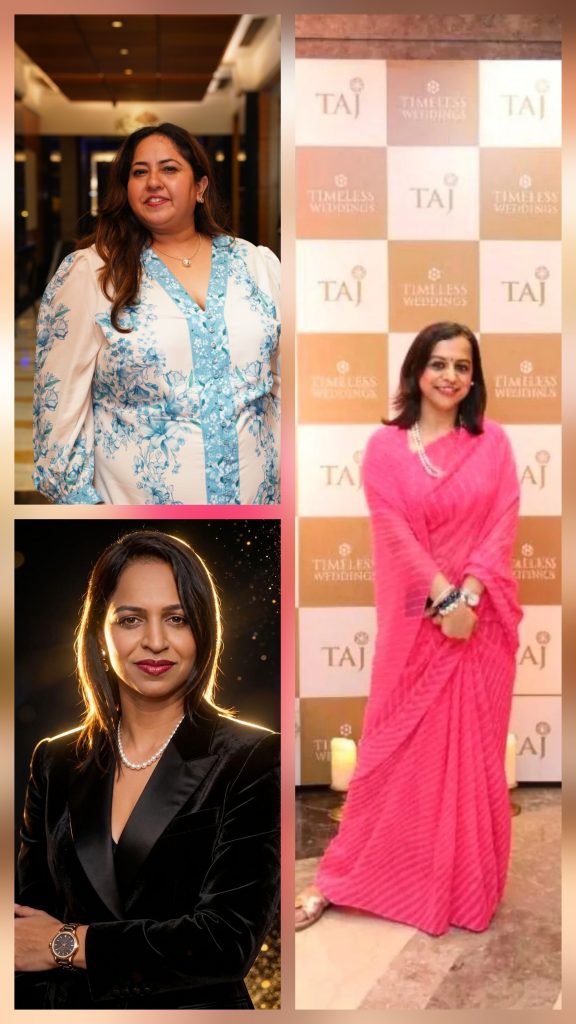
For Ananya Shuman Mukherjee, Director PR & Marketing, Taj Palace, leadership brings a distinctive perspective. “Women leaders bring a deeper sensitivity to brand, people and purpose, which has a transformative effect not only on workplace culture but also on how hospitality itself is shaped and experienced.”
That sensitivity is perhaps hospitality’s greatest strength. Luxury hotels are often associated with glamour, elegance and impeccable service. Yet behind every seamless guest experience lies what professionals call emotional labour, the invisible discipline of staying composed, positive and attentive regardless of personal circumstances.
Having worked across luxury and mid-scale brands, Chitra Awasthi, Deputy General Manager at Radisson Hotel Delhi MG Road, believes that guests always expect a little more thanis promised. While meeting professional expectations is a given, managing the personal side of life is equally real.” Ananya calls this invisible effort the essence of “Tajness.” “That emotional labour is not separate from luxury hospitality; it is central to it. It transforms a polished interaction into an emotional connection.”
Operations remain a predominantly male-led function where women often feel compelled to prove themselves repeatedly before earning equal recognition, says Chitra. Hospitality today is also far more than guest service. Many hotels are part of diversified business groups where commercial understanding, financial acumen, and strategic decision-making are of equal importance. Leadership therefore demands far more than interpersonal skills; it requires business intelligence alongside emotional intelligence.
Fortunately, the conversation is changing. Opportunities are increasingly being shaped by merit rather than gender, even if the journey still demands extraordinary perseverance.
“Authenticity, kindness and consistency are qualities that truly define successful leadership,” says Simmi Sood. “I hope my journey encourages more women to pursue leadership roles with confidence.”
Not simply women breaking glass ceilings, but quietly rebuilding the architecture of leadership itself, where strength is measured not by volume but by grace under pressure, emotional resilience, and the ability to make every guest feel seen.
Because in the business of making others feel at home, these women have redefined what leadership looks like one smile, one decision and one unforgettable experience at a time.
Discover more from Suburb Life
Subscribe to get the latest posts sent to your email.