Spiritual significance of Krishna Janamashtami

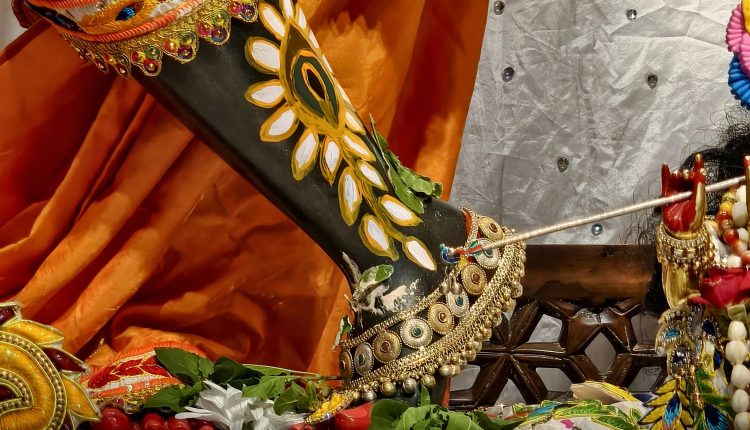 Iskcon,Gurugram.
This year, the Big Day of His Grace is celebrated on 16 August 2025. Already, the mood and vibrations are high among Krishna’s devotees. The spiritual energy during the time of Krishna Janmashtami is powerful and contagious.
Not Just a Festival, But a Spiritual Awakening
Krishna Janmashtami, celebrated on the eighth day (Ashtami) of the waning moon in the month of Bhadrapada, marks the divine appearance of Shri Krishna, the eighth avatar of Lord Vishnu. But more than just commemorating the birth of a deity, Janmashtami is a call to awaken the divine consciousness within us. This appearance is not metaphorical but a sacred intervention — a divine lila to inspire humankind towards a higher purpose.
As Krishna himself says in the Bhagavad Gita (4.7–8):
“Yadā yadā hi dharmasya glānir bhavati Bhārata,
Abhyutthānam adharmasya tadātmānaṁ sṛijāmyaham.”
“Paritrāṇāya sādhūnāṁ vināśāya ca duṣkṛtām,
Dharma-saṁsthāpanārthāya sambhavāmi yuge yuge.”
Translation: Whenever there is a decline in righteousness and a rise in unrighteousness, O Arjuna, at that time I manifest Myself. To protect the virtuous, annihilate the wicked, and re-establish dharma, I appear millennium after millennium.
It’s a time for spiritual reflection, renewal, and recommitment to the path of Bhakti, or devotion.
Spiritual Festivals with Divine Purpose
Vedic festivals like Janmashtami provide a joyful break from worldly routines, allowing us to nourish our souls and reconnect with God. These festivals are steeped in symbolism and spiritual significance, offering a moment of pause and reflection in our fast-paced lives.
A Historical and Scriptural Reality
Krishna’s birth and pastimes are historically and scripturally recorded in ancient texts like the Bhagavata Purana, Harivamsa, and Vishnu Purana. His life and teachings, as described in the Bhagavad Gita, are critical to understanding the greater spiritual significance of his birth.
Krishna – The All-Attractive Supreme Lord
The name Krishna means “all-attractive,” reflecting his perfect embodiment of beauty, knowledge, strength, and love. Krishna’s life and teachings continue to inspire and guide millions of devotees worldwide.
The Avatar Comes to Restore Dharma
As per the Bhagavad-Gita (4.8), Krishna’s divine appearance is a response to the cosmic imbalance caused by evil forces. His birth marks the triumph of good over evil and the restoration of dharma, or righteousness.
Janmashtami is celebrated through acts of Bhakti, love, ultimate trust and surrender. This devotion is not limited to rituals but is a lived experience. It’s a way of life.
Fasting and Devotional Practices: Devotees observe a day-long fast, chant mantras, and sing devotional songs to connect with Krishna’s divine energy.
Abhishekam and Jhoolan: The ritualistic bathing of Krishna’s deity form and the gentle swinging of Baby Krishna on a decorated swing are beautiful expressions of love and devotion.
Bhajans and MahaMantra: Devotional music plays a crucial role in Janmashtami celebrations, engaging the mind and intensifying devotional sentiments.
Lila Performances: These dramatic re-enactments of Krishna’s life highlight his compassion, love, and protection, offering valuable life lessons wrapped in divine play.
Prasamdam: Various kinds of sweets, primarily made from milk, Panjeeri, are prepared to offer to the lord.
Krishna Janmashtami is a celebration that transcends time and place, carrying the eternal message of love, devotion, and righteousness. As we mark the birth of Lord Krishna, we are reminded of the divine presence in our lives and the importance of living according to the principles of Dharma. By embracing the teachings of Krishna and taking part in Janmashtami festivities, we can strengthen our connection with the divine and foster a sense of spiritual awakening.
His teachings in the Bhagavad Gita are timeless truths that provide a framework for life, Karma, and liberation. For spiritual seekers, Janmashtami serves as a reminder to return to these core teachings: selfless action, devotion (Bhakti), and detachment.
Hare Krishna, Hare Krishna, Krishna Krishna, Hare Hare,
Hare Rama, Hare Rama, Rama Rama, Hare Hare.
ISKCON devotees firmly believe in the power of this Maha Mantra. It awakens the dormant devotion within the soul. May Krishna’s flute play in our hearts, reminding us that true joy lies in surrender, love, and connection to the Divine.
Discover more from Suburb Life
Subscribe to get the latest posts sent to your email.